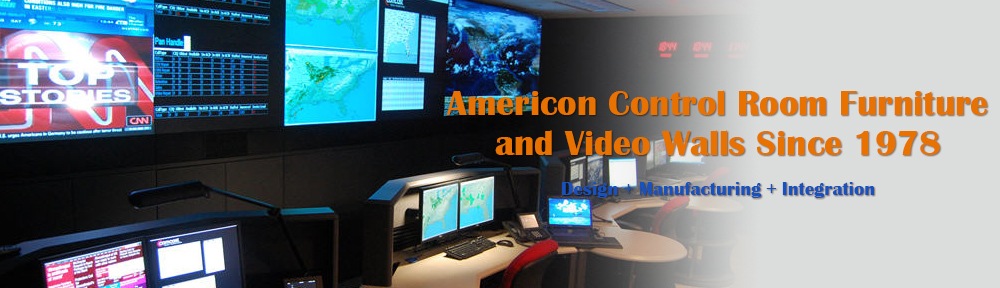
You still see consumer grade plasma flat panel displays on the web and at your local electronics store. They are impressive and handle motion really well. However, they aren’t intended for professional applications where they are running continuously for seven days a week, 24 hours a day. I make this point because surprisingly, I’m still being asked if plasma displays are a good choice for intensive use in control rooms.
Although plasma technology has grown more dependable, its limitations make it a better choice for conference rooms than control rooms where dependability is critical to the success of the operation. In particular, that pesky image burn-in problem still persists with plasma regardless of what the manufacturers say. LCD and plasma have become pretty much the same in screen sizes and price, however LCD is still hands-down the best flat panel technology for critical operations. This is especially true with modern video walls where running video is not a requirement as in the case with data monitoring activities.
LCD flat panel displays handle motion better than before, have excellent image quality, minimal burn-in potential, and use less energy. Sure, but what about plasma’s blacker blacks, sharper images and better viewing angles, you say? Certainly, plasma looks great and comes with an attractive price tag, but both consumer and professional LCD displays continue to come down in price, have the thinnest bezels, highest resolution, longest life expectancy and the list goes on. Still not convinced? Just ask yourself when the last time you saw a plasma video wall. Find more information on LCD video wall for control centers at controlroomsusa.com.